
Hidden Costs of Buying a Home in Tennessee: What Every Homebuyer Should Budget For
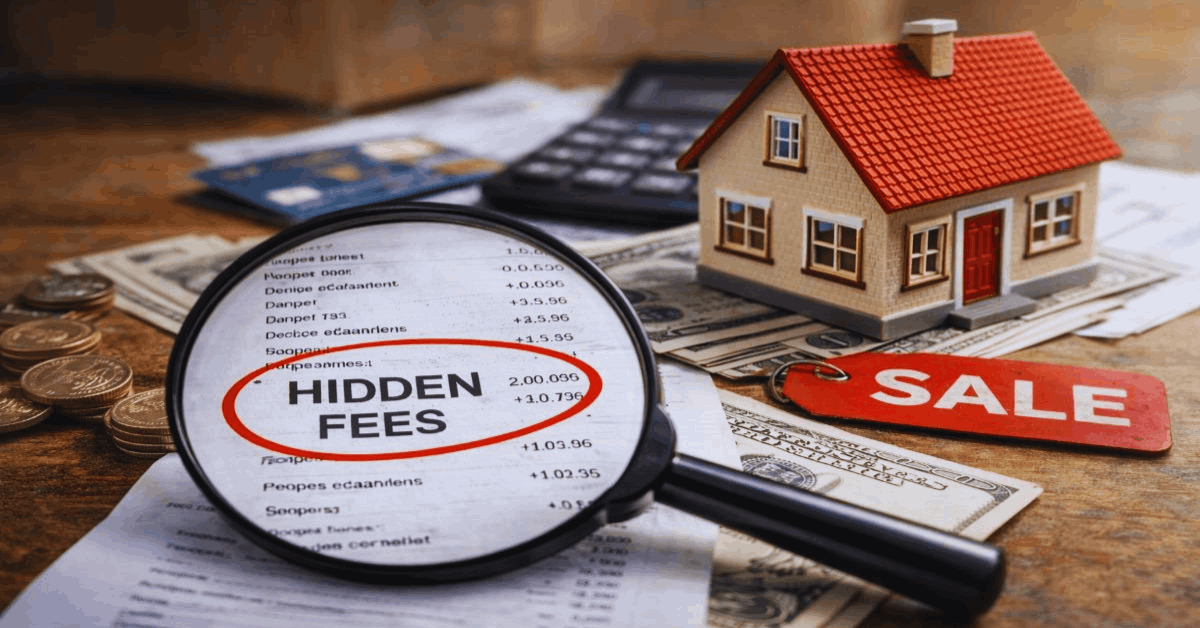 Buying a home in Tennessee is an exciting milestone. Whether you're purchasing your first home, upgrading to a larger property, or relocating to the Volunteer State, it's important to remember that the purchase price isn't the only expense you'll face.
Many buyers focus on their down payment and monthly mortgage but are surprised by the additional costs that come with buying a home. Planning for these expenses ahead of time can help you avoid financial stress and make your homebuying journey much smoother.
Here's a closer look at the hidden costs of buying a home in Tennessee.
1. Earnest Money Deposit
Once your offer is accepted, you'll typically submit an earnest money deposit to show the seller you're serious about purchasing the home.
This deposit is usually:
- 1%–2% of the purchase price
- Applied toward your down payment or closing costs at closing
While it's not an extra cost, you'll need to have these funds available early in the buying process.
2. Home Inspection
A home inspection is one of the smartest investments you'll make before purchasing a home.
A professional inspector evaluates:
- Roof
- Foundation
- Plumbing
- Electrical system
- HVAC
- Appliances
- Structural components
Typical cost in Tennessee:
- $350–$600, depending on the size and age of the home.
Skipping an inspection could cost thousands in unexpected repairs later.
3. Appraisal Fee
If you're financing your home with a mortgage, your lender will require an appraisal to determine the home's market value.
Typical appraisal cost:
- $400–$700
This protects both you and your lender by ensuring you're not paying more than the property's value.
4. Closing Costs
Closing costs often surprise first-time buyers because they include several different fees.
These may include:
- Loan origination fees
- Title search
- Title insurance
- Attorney or settlement fees
- Recording fees
- Prepaid property taxes
- Homeowners insurance
- Escrow setup
In Tennessee, buyers typically pay around 2%–5% of the home's purchase price in closing costs, although the exact amount varies by lender, loan type, and transaction details.
5. Homeowners Insurance
Before closing, your lender will require proof of homeowners insurance.
The cost depends on:
- Home value
- Location
- Coverage amount
- Deductible
- Claims history
Shopping around for quotes can help lower your annual premium.
6. Property Taxes
Property taxes in Tennessee are generally lower than in many other states, but they're still an important expense to include in your monthly budget.
Most lenders collect property taxes through your monthly mortgage payment using an escrow account.
7. Private Mortgage Insurance (PMI)
If your down payment is less than 20%, you'll likely be required to pay Private Mortgage Insurance (PMI).
PMI:
- Protects the lender—not the buyer
- Is added to your monthly mortgage payment
- Can often be removed once you reach sufficient home equity
8. Moving Expenses
The cost of moving can add up quickly.
Don't forget to budget for:
- Moving company
- Rental truck
- Packing supplies
- Utility transfers
- Storage
- Cleaning services
Local moves may cost a few hundred dollars, while long-distance relocations can cost several thousand.
9. Immediate Repairs and Maintenance
Even a move-in-ready home usually needs a few updates.
Common expenses include:
- Fresh paint
- New locks
- Landscaping
- Minor repairs
- Appliance replacements
- HVAC servicing
Setting aside a maintenance fund helps you handle these expenses without relying on credit cards.
10. Furniture and Home Essentials
Many buyers underestimate how much they'll spend after moving in.
You may need:
- Furniture
- Window treatments
- Lawn equipment
- Tools
- Shelving
- Kitchen essentials
- Smart home devices
These purchases can easily total several thousand dollars if you're furnishing a larger home.
11. HOA Fees
If you're buying in a neighborhood with a Homeowners Association (HOA), be sure to understand the monthly or annual dues.
HOA fees may cover:
- Community amenities
- Landscaping
- Common area maintenance
- Pools
- Clubhouses
- Security
Always review the HOA rules and fee schedule before making an offer.
12. Utility Deposits and Setup Fees
When moving into a new home, you may need to pay:
- Electric deposits
- Water connection fees
- Internet installation
- Natural gas setup
- Trash service
These one-time costs are often overlooked during budgeting.
Tips for Avoiding Budget Surprises
A little planning goes a long way when buying a home.
Here are a few ways to stay prepared:
- Build a savings cushion beyond your down payment.
- Ask your lender for a detailed estimate of closing costs early in the process.
- Get multiple insurance quotes before closing.
- Never skip the home inspection.
- Keep an emergency fund for unexpected repairs after move-in.
- Work with a knowledgeable local real estate agent who can help you anticipate expenses specific to your area.
Final Thoughts
Buying a home is one of the biggest financial decisions you'll ever make, and understanding the hidden costs can help you feel more confident throughout the process.
By budgeting for inspections, closing costs, insurance, moving expenses, and ongoing maintenance, you'll be better prepared for homeownership and less likely to encounter unexpected financial surprises.
If you're planning to buy a home in Knoxville or anywhere in East Tennessee, working with an experienced local REALTOR® can help you navigate every step of the process—from budgeting to closing day—so you can purchase your next home with confidence.
Categories
Recent Posts






GET MORE INFORMATION